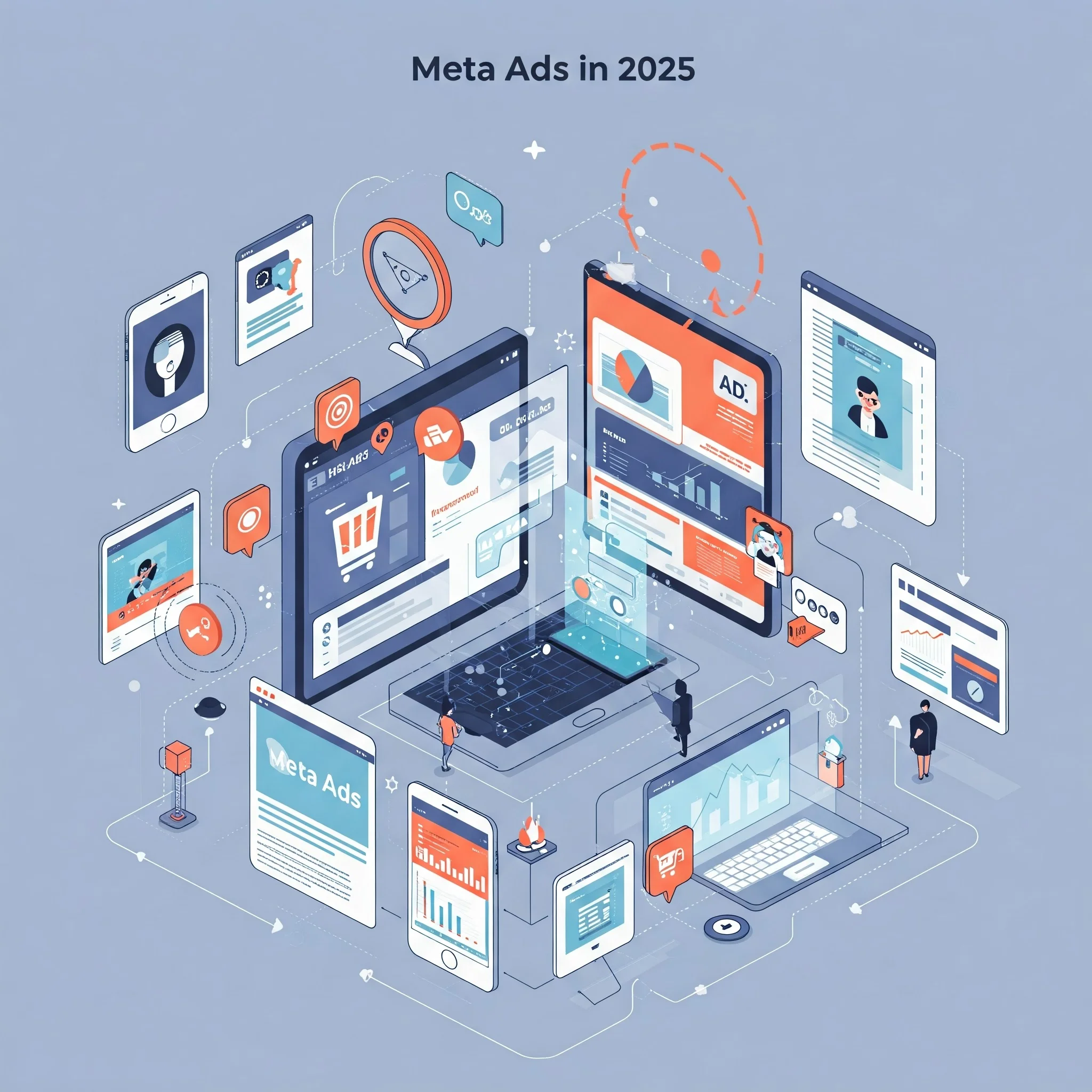

Meta keeps actively enhancing its advertising platform, so even in the first months of 2025, Meta Ads has received several important updates. Notably, Threads advertising has been launched, and content moderation rules have become more lenient, ensuring greater control over the content they want to see. The system also keeps integrating meta AI tools to optimize ad campaigns, increase content personalization and improve targeting accuracy.
Changes in Meta’s advertising ecosystem directly affect how businesses approach campaign launch and optimization, as automation and AI tools are gradually taking over part of the routine tasks related to audience and budget management. In such conditions, a basic understanding of how advertising systems work remains critically important, especially when it comes to contextual advertising, where the accuracy of settings and campaign structure determine the final result.
Campaign Structure Updates
The system has announced the Meta update for managed accounts, making various business tools (Business Suite, Business Manager, etc.) available even without a personal Facebook profile. Additionally, the rules for budgeting single ad set campaigns have been updated: recent meta ai news state that the system now sets Campaign Budget Optimization (CBO) by default.

Audience Personalization and Targeting
Sales Campaigns have also been updated – Prospective and Retargeting audience types have been replaced by Custom Audiences. This helps advertisers define their target audience (TA) more precisely and tailor campaigns accordingly. These Custom Audiences are built via Business Suite, while targeting is based on purchase history, viewed products and items added to cart. The new structure supports cross-selling, audience segmentation and flexible use of TA criteria.
Writing ad posts from scratch is no longer necessary – Meta can now generate versions based on previously published posts on Instagram or Facebook. Frequency control settings help determine the optimal number of ad impressions. For ad sets, settings like Reach and ThruPlay allow advertisers to avoid overspending.

Improved Customer Engagement
When it comes to Lead Generation, it is possible to activate the option for instant contact right after a form is submitted. This feature speeds up response times and improves conversion rates. It’s currently being rolled out across all ad accounts.
Integration and New Reach Expansion Opportunities
Meta has introduced integration with Google Analytics – this is a new option for data analysis used to boost the efficacy of ad campaigns. Advertisers can now sync data, segment traffic by source (Facebook, Instagram etc.), and track events across both platforms to measure conversions.
Key benefits:
- Deeper performance analysis using Google tools;
- Early access to Meta ad system updates;
- Up to 5% conversion increase with Google Analytics integration (based on Meta’s January 2025 tests)
Threads Ads are now available in early testing for a limited number of advertisers in the U.S. and Japan. Ads are shown within the feed between user posts. No special creative assets or extra resources are required to launch an ad campaign – checking a box in Ads Manager will be enough. Ad relevance is determined by user engagement time with specific content. Users will be able to control the ads they would like to see on Threads.
AI Optimization for Better Productivity
AI can be considered the foundation of Meta’s ad ecosystem. The AI Meta Advantage tools allow both small and large businesses to run effective campaigns and meet marketing goals.
Recent Improvements in Meta Advantage+:
- New AI engine Meta Andromeda improves ad content quality (by up to 8%);
- Simplified campaign launches (for sales, meta lead gen ads, apps);
- Automated lead ads meta generation, lowering costs by up to 10%;
- Opportunity Score (0 to 100) evaluates campaign effectiveness using Meta algorithms;
- Personalized recommendations to improve content quality.
Advantage+ AI tools and the Opportunity Score aim to boost business profitability automatically, optimizing ad budgets while reducing expenses without sacrificing the reach. Simple use of these tools unveils new opportunities for small and medium businesses lacking dedicated marketers. Improved analytics makes it possible for advertisers to quickly react to falling conversions and make timely adjustments to the ad campaign.
However, marketers and other specialists note that the Opportunity Score isn’t a guaranteed indicator of success or failure. It’s based on Meta’s internal models and while it can be maximized by following Advantage+ recommendations, that doesn’t always mean the ad content will resonate effectively with your audience.

Tips for Marketers and PPC Specialists
Meta’s AI tools help enhance advertising without increasing content production costs. While AI algorithms keep improving, marketers should rethink strategies – especially given the eased content moderation and the new option to opt out of personalized ads for Facebook and Instagram users in the EU. Since ad targeting can no longer rely solely on demographic data (gender, location, age etc.), new targeting solutions are required.
The rollout of ads on Threads highlights the platform’s growth. While still underestimated, the platform now has over 300 million monthly active users. According to Meta ads news, 3 out of 4 users follow at least one business account, so advertisers should get ready for a full-scale launch of Threads Ads soon.
Meta’s ad ecosystem is highly dynamic and rapidly evolving. Marketers, PPC specialists and businesses managing their own targeting should stay updated on these changes and take full advantage of Meta’s free AI tools to improve advertising efficacy.