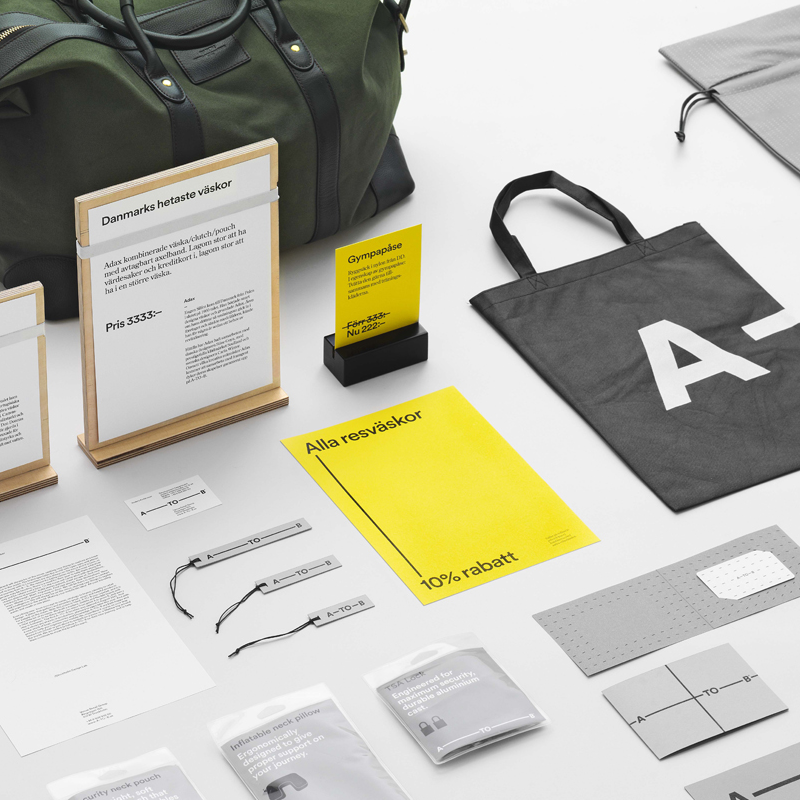

The terms “branding” and “identity” are often confused, but in reality, calling one the other is like mixing up means and ends. Branding is not just a logo, as many believe. It’s the image and values of a company in the eyes of its target audience. It’s a complex and long process of creating an image and communicating it to people. The key associations of the image are outlined in a document called a brand book.
Now that we understand branding, what about identity? Identity is the means used to create the image: shapes, colors, and style. The most successful identities are those that, from the first visual or audio contact, immediately remind a person of the brand and evoke the desired associations. The means of identity for a specific brand are outlined in the guidelines, where all variations of the use of the brand’s graphics in advertising are listed.
Creating a brand – key stages
There’s a standard algorithm for developing branding that will establish your company’s value system in the minds of potential customers.
To create a company image, you need to answer the following questions:
- How are you different from competitors?
- What is the purpose of your company?
- Who is your target audience?
To simplify the task, imagine your business as a person and think about its personality traits – is it male or female? Where does it work? What kind of character does it have? After this, it’s time to think about which words and visual elements can characterize the created image.
The next step is a marketing plan, which is our next stage in communicating with the audience. We need to figure out where they will see our logo and advertisements, where do they “live”? For example, gamers “live” on gaming websites, while gardening enthusiasts may see your ads in garden shops or on TV programs about flowers.
Next, we create the design and content. Every informational product must reflect the brand style. The design must be recognizable; otherwise, the company will not be remembered, and a loyal audience won’t form.
Creating a good and user-friendly website, where people can easily navigate. And don’t forget the most important step, without which creating a website doesn’t make sense – internet promotion. When people search for something, they most often only look at the first page of the search results, but there are so many resources online – how many of them will make it to the first page? So, if you want to reach your online audience, your website needs to be professionally promoted.
Creating brand identity
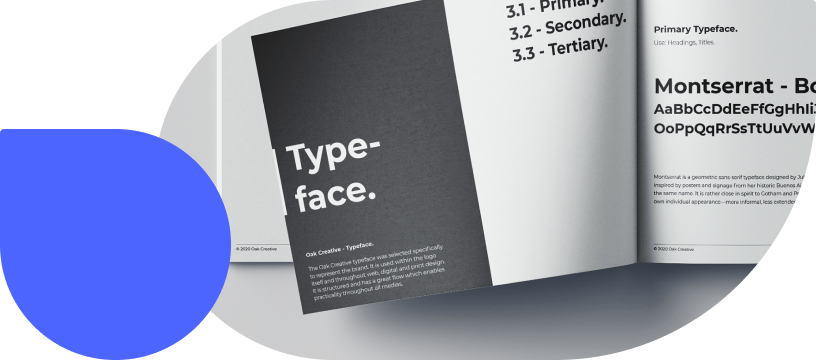
The elements of identity include fonts, colors, and shapes.
- The font should be chosen based on how the target audience perceives it – children, adults, people with certain hobbies, etc. It must match their character and can be strict, simple, vintage, or artistic.
- The proper use of the color palette also conveys your corporate values.
- The shape of the logo should evoke the right associations, as different geometric shapes evoke different images in the mind.
These created images can be implemented on different types of products: logos, letterheads, business cards, packaging, and in emails.
Thus, branding is the image, and identity is the means for creating it. Think about your branding in detail, execute it brightly – and your target audience will appreciate it. People love interacting with strong, interesting, and vibrant brands that evoke emotions.
“LuxSite” company specializes in the development of identity and packaging for businesses. We work with companies from various industries, carefully studying each client’s request. Do you already have ideas for creating your company’s visual image? We are ready to discuss them and offer the best solution. Branding and identity are not easy paths, but the final result is worth all the effort.