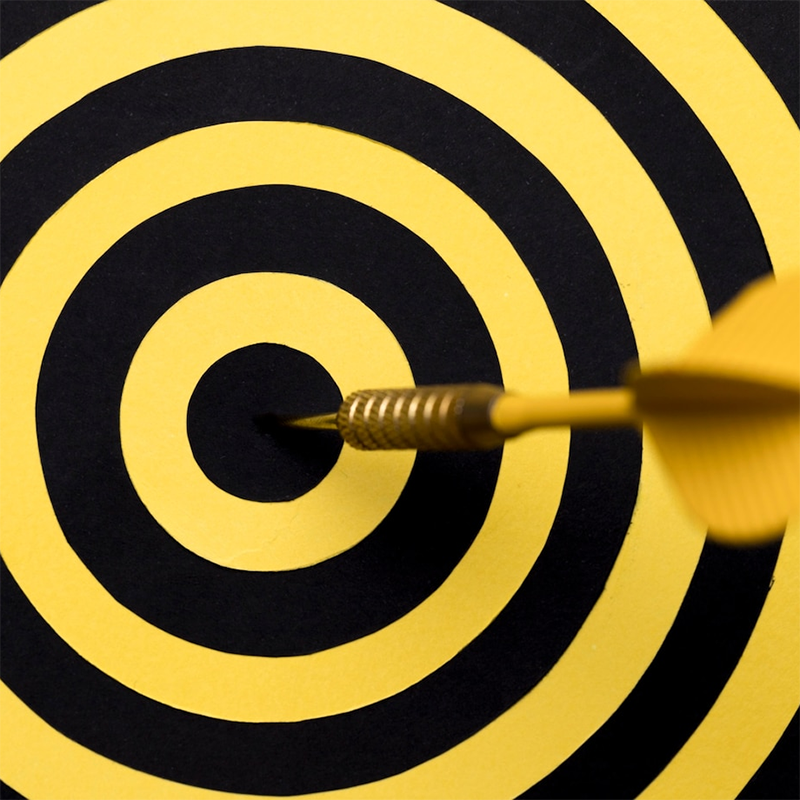
Millions of people worldwide use social platforms. Finding your target customers within this vast audience who might be interested in your promotion, product, or service can seem like a task for special agents, right? However, with targeted advertising, this task becomes manageable.
What is targeted advertising?
Targeted advertising is a channel of promotion on social networks directed at a specific target audience based on clearly defined parameters. This type of advertising emerged around the same time as social media, as advertisers began to use profile data to compile targeted lists of people who might be interested in their offerings. This enables businesses to single out a segment from the enormous audience that could be interested in your online store or beauty salon.
Targeting allows you to customize your audience based on various parameters. For instance, targeted advertising on Instagram lets you show your offer to people currently near a Starbucks location. Facebook targeting enables you to tailor ads for people who have just gotten married or those who are fans of the show Game of Thrones. Everything depends on your ad and its objectives.
Targeted advertising reaches people regardless of whether they are actively looking for your product at that moment. These are potential customers – an audience likely interested in your offer, even if they know nothing about your company or service. The key is to accurately tap into their current interests.

How does targeting work?
Now that you understand what targeted advertising is, let’s dive into how this mechanism works in practice. Targeting displays ads based on the audience’s interests on an information platform, such as a social network. But how can you segment and define an audience that might become potential customers for a company? Here are a few basic steps:
- targeting specialists monitor an audience that might be interested in the products or services: they analyze their behavior, what stores they visit, what websites they browse, and so on;
- analyzing this data leads to segmentation, where target groups with tastes, preferences, and interests that closely align with the goals and nature of your ad campaign are singled out from the larger user pool;
- targeting specialists select only those target groups that contain the most potentially interested customers;
- after defining the target audience, the marketer creates the text and visual components of the promotional message.
Then comes the most interesting part – showing the ad to people who are likely to be interested, followed by constant analysis and adjustment of the process.
Types of targeting
Facebook targeting provides nearly unlimited possibilities for audience customization based on specific parameters. You can target by geographic location, interests, time, socio-demographic characteristics, behavior, and more, even locally.
Today, the most popular type of targeting is behavioral targeting. It is based on knowledge of a user’s behavior and actions. Instagram’s targeted ads, for example, will show you new shoe store pages if you previously searched for new loafers for fall in your browser.
Targeting is a convenient and effective way to deliver an ad message to YOUR audience. It’s a direct hit to the target, saving your ad budget and increasing the campaign’s efficiency. By correctly setting the parameters and characteristics of targeting, you can achieve impressive results and increase